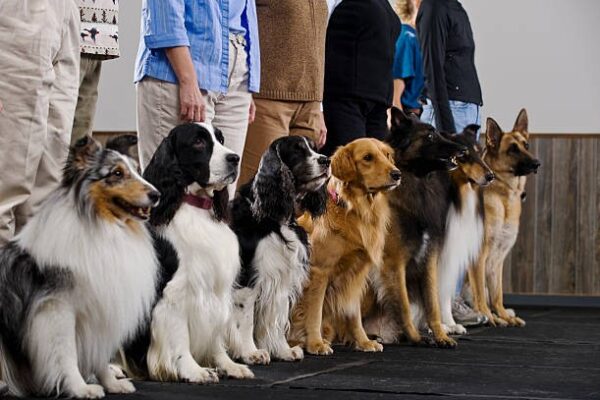
Dogs get bored easily. They need games to use their brains. The dog mental stimulation service helps dogs think, focus, and have fun. Playing games at home keeps dogs busy and happy. Mental exercise is as important as walks or fetch. Dogs enjoy learning new tricks and finding treats. Brain games also make dogs calmer and more confident. These games are easy to do and help dogs stay healthy and smart.
Mental games make dogs smarter and calmer. Dogs that play brain games are less likely to chew furniture or bark a lot. Using their brain is a kind of exercise. Dogs solve puzzles and think through challenges while having fun. Games at home help dogs focus, follow rules, and pay attention. They also help dogs do better in Dog socialization and pack training with other dogs.
Hide and seek is fun for dogs. Dogs use their nose and brains to find you. Start by hiding in easy spots and calling your dog. Later hide in harder spots.
This game improves focus and helps dogs follow commands. Dogs feel proud when they find you.
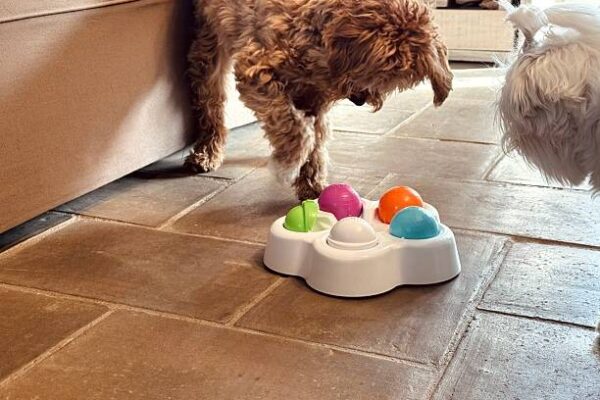
Puzzle toys make dogs think. Hide treats inside a toy and let your dog figure it out. Dogs use their brains and paws to get the reward.
Puzzle toys are great for indoor fun. They improve problem-solving and patience. Dogs love the challenge and treat.
The shell game is simple and fun. Place a treat under one of three cups. Shuffle them and let your dog find the treat. Dogs use memory and focus.
Start slow and praise dogs for success. This helps dogs think and stay calm.
Tug is fun and teaches control. Dogs pull a toy while following commands. Teaching release teaches patience and discipline.
Tug builds confidence and strengthens the bond with humans. Dogs enjoy playing and listening at the same time.
Obstacle courses are fun brain games. Use chairs, boxes, or pillows to make a safe path. Dogs jump, climb, and crawl through obstacles.
This game improves focus, coordination, and problem-solving. You can make courses harder as dogs learn.
Teach dogs the names of toys. Show a toy and say its name. Ask the dogs to fetch the correct toy. This improves memory and focus. Dogs enjoy learning new words and remembering commands. This game builds confidence.
Scent games use a dog’s natural skills. Hide treats around the house. Encourage dogs to find them. Dogs use their nose and brains to sniff out treats. Dogs feel proud when they find the treats. Scent games improve attention and confidence.
Use boxes to hide treats or toys. Dogs move flaps or objects to get the reward. This teaches problem-solving and patience. Dogs enjoy exploring and thinking creatively. They learn to use paws and brains together.
Teaching new tricks is a fun brain game. Sit, roll over, spin, or paw are good examples. Short sessions keep dogs interested. Tricks improve obedience, attention, and confidence. Dogs love learning new things.
If you have more than one dog, play pack games. Hide treats or toys for dogs to solve together. Supervised play teaches teamwork and patience. Pack games also support Balanced pack training for dogs. Dogs learn cooperation and social skills safely.
Mental games are better with movement. Short walks or fetch after a puzzle game improve dog fitness and exploration. Running and climbing use energy while exercising the mind.
Professional programs like Dog socialization and pack training combine mental and physical exercise for better results. Dogs stay healthy, confident, and happy.
Mental stimulation helps dogs at home and outside. Brain games reduce boredom, stress, and anxiety. Dogs become calmer and smarter.
Programs like the dog mental stimulation service give structured brain challenges. Dogs learn problem-solving, focus, and confidence.
Q. Why do dogs need mental games?
Mental games keep dogs happy and healthy. They use their brains, stay calm, and reduce boredom. Dogs learn focus, problem-solving, and confidence. Brain games also prevent destructive behavior and help dogs enjoy life indoors and outdoors.
Q. How often should I play mental games?
Dogs benefit from daily short sessions. Ten to fifteen minutes a few times a day keeps their minds sharp. Regular play improves focus, reduces boredom, and strengthens the bond between dog and owner while keeping dogs active and happy.
Q. Can mental games replace exercise?
Mental games complement exercise, not replace it. Dogs still need walks, runs, and play to stay healthy. Combining brain games with movement improves dog fitness and exploration, strengthens muscles, keeps energy balanced, and enhances overall physical and mental well-being.
Q. Are puzzle toys safe for all dogs?
Yes, if chosen for size and chewing habits. Supervise the first sessions to prevent swallowing small parts. Gradually increase difficulty as dogs improve. Puzzle toys provide safe mental challenges that stimulate brains, teach problem-solving, and reward effort with treats.
Q. What are the benefits of pack games?
Pack games help dogs learn cooperation, patience, and social skills. They improve behavior with other dogs and humans. Games support Dog socialization and pack training, and Balanced pack training for dogs while providing mental stimulation, teamwork practice, and safe, structured fun.
Make your dog smarter and happier with Vegas K9 Adventures. Fun brain games, guided training, and play help dogs stay active, happy, and confident. Sign up today for interactive mental challenges your dog will love
We love caring for pets! Schedule right here on our site for a meet and greet, or to make any pet services appointment.
Our Business Hours :