A harness is usually better for training, especially for dogs who pull, feel anxious, or are still learning leash manners. It spreads pressure across the chest and gives better control without hurting the neck. A collar works well for calm, trained dogs and for simple commands like sit or stay. For most training situations, especially in busy areas like Las Vegas, a harness offers safer handling and smoother walks. However, the best choice depends on the dog’s behavior, size, and training goals.
Training works best when gear supports clear communication. A poor fit or wrong tool can confuse a dog. It can also cause discomfort. On the flip side, the right setup builds trust.
In busy places like Las Vegas, dogs face noise, crowds, and distractions. Good gear helps keep focus. It also keeps the walks safe and calm. So, choosing between a harness and a collar is not just a matter of style. It is a strategy.
A collar sits around the neck. It holds ID tags and works with a leash. Most dogs wear one daily. Common types include flat collars, martingale collars, and training collars. Each serves a different purpose. For basic obedience, a flat collar is enough. Collars are easy to put on. They are light and familiar. However, they can put pressure on the neck if a dog pulls hard.
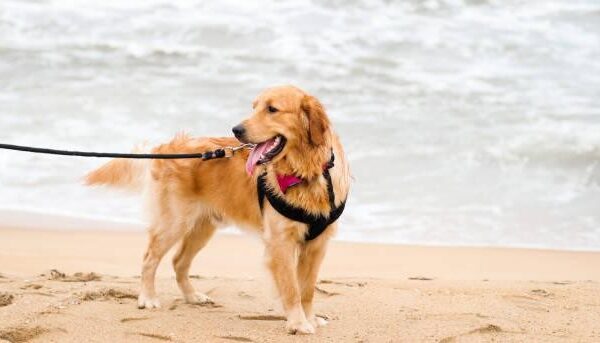
A harness wraps around the chest and shoulders. It spreads pressure across the body. It usually has a front or back clip for the leash. Harnesses give more control, especially for strong or excited dogs. They also reduce the risk of neck injury. For dogs who pull, a front-clip harness can redirect movement. It turns pulling into a gentle correction.
| Feature | Harness | Collar |
|---|---|---|
| Control |
High, great for pullers |
Moderate |
| Neck Safety |
Very safe, no neck strain |
Can strain neck if pulling |
| Ease of Use |
Takes time to fit |
Very easy |
| Training Use |
Ideal for leash training |
Good for basic commands |
| Comfort |
Spreads pressure |
Focuses pressure on neck |
| Best For |
Puppies, strong dogs, long walks |
Calm dogs, daily wear |
A harness shines in situations where control matters most. It is a solid pick for training sessions in busy streets or parks.
Key benefits of a harness:
Harnesses are also helpful for rescue dogs. They often feel safer with body support. It builds confidence during walks.
A collar still has its place. It is simple and effective for dogs who already walk well.
Best uses For a collar:
For experienced dogs, a collar can feel less bulky. It allows more natural movement.
Training goals should guide the choice. Not every dog needs the same setup.
For loose leash walking, a harness often helps. It reduces pulling habits faster. For obedience training, a collar can work well. It gives quick feedback. Puppies usually start with a harness. It keeps them safe while learning. Older dogs who are already trained may prefer collars.
Mixing both tools can also work. Use a harness for walks. Use a collar for commands at home.
Safety should always come first. Poor gear can cause harm. Collars can lead to choking or neck strain if used incorrectly. This risk grows with strong pullers. Harnesses avoid this issue by spreading pressure. Fit also matters. A loose harness can slip off. A tight collar can irritate skin. Always check size and adjust straps. In hot climates like Las Vegas, breathable material helps. Dogs can overheat fast. Lightweight gear keeps them comfortable.
Small mistakes can slow down training. Some habits can even confuse a dog. Using a collar for a heavy puller is one mistake. It leads to frustration. Another issue is switching tools too often. Dogs need consistency. Skipping proper fitting is also common. Gear should sit snug but not tight. Always test it before a walk. Finally, relying only on gear is not enough. Training needs patience and repetition. Tools help, but they are not magic.
Picture a young dog in a busy Las Vegas park. Noise, people, and other dogs all around. With a collar, pulling starts. The dog chokes slightly and gets more excited. Now switch to a front-clip harness. Pulling reduces. The dog turns back toward the handler. The walk becomes smoother. Focus improves. This simple change can make a big difference.
No single answer fits every dog. Harnesses are better for control and safety. Collars are better for simplicity and everyday use. For training, especially in early stages, a harness often works best. For trained dogs, a collar can be enough. The smart move is to match the tool with the dog’s needs. Watch behavior. Adjust as needed.
Better walks start with the right gear and the right guidance. Struggling with pulling or leash manners? Time to level up. Vegas K9 Adventures offers expert training built for real-life situations in Las Vegas. From leash skills to behavior fixes, every session is hands-on and practical.
Q. Is a harness better than a collar for puppies?
A. Yes, a harness is usually better for puppies because it protects the neck and spreads pressure across the body. Puppies often pull or jump, so a harness gives better control while keeping training safe and comfortable during early learning stages.
Q, Can a dog wear both a harness and a collar?
A. Yes, dogs can wear both at the same time. A collar is useful for holding ID tags and quick control, while a harness is better for walking and training. This combo offers safety, flexibility, and better handling in different situations.
Q. Do harnesses stop dogs from pulling?
A. Harnesses can help reduce pulling, especially front-clip designs. They gently guide the dog back toward the handler instead of letting it move forward. However, they are not a full solution. Consistent training and practice are still needed for lasting results.
Q. Are collars bad for dogs who pull?
A. Collars are not always bad, but they can cause strain or choking if a dog pulls too hard. For strong pullers, repeated pressure on the neck may lead to injury. A harness is often a safer and more comfortable option.
Q. Which is better for small dogs, a harness or a collar?
A. A harness is usually better for small dogs because their necks are delicate and more prone to injury. It spreads pressure across the chest and shoulders, making walks safer. It also gives better control when handling tiny or energetic breeds.
We love caring for pets! Schedule right here on our site for a meet and greet, or to make any pet services appointment.
Our Business Hours :