Living with a grumpy pup feels like walking on eggshells. One minute, everything is fine. The next minute, barking and lunging take over the living room. It is tough to deal with a dog that snaps at neighbors or growls at other pets. Most owners feel lost or embarrassed. Do not lose hope just yet. Fixing these issues takes patience and a solid plan. A focus on dog behavior modification can turn a chaotic home into a peaceful one. Let’s look at how to flip the script on bad habits.
Dogs do not just wake up and decide to be mean. Usually, fear or stress causes the lashing out. Think of it like a person having a bad day. If a dog feels trapped, it might use its teeth to say back off. Understanding the why is the first big step.
Sometimes, the dog just lacks clear rules. They might think they run the show. Other times, they are guarding a favorite toy or a yummy bone. Identifying these triggers helps stop the blowups before they start.
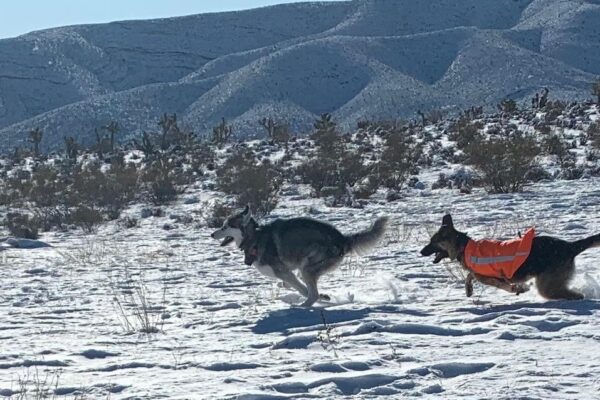
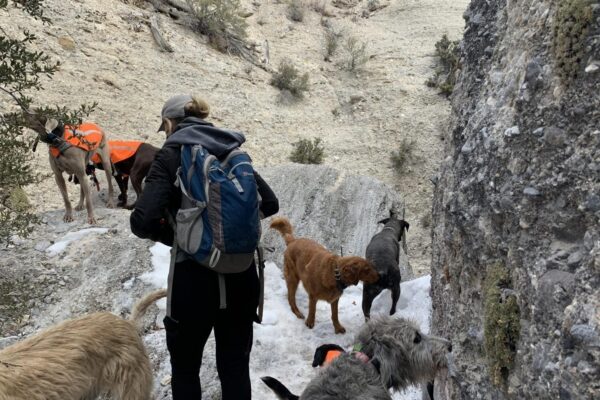
Boredom is a recipe for disaster. A dog with nothing to do will find its own fun. Often, that “fun” involves chewing up the sofa or barking at the mailman. Physical activity is a game-changer for a troubled mind. Moving the body helps soothe the brain. High-energy activities like dog fitness and exploration give pups a constructive outlet for their energy. When a dog gets to sniff new trails and run in the fresh air, they have less energy for nonsense at home. It burns off that nervous edge.
Structure is your secret weapon. Dogs love knowing what comes next. If the rules change every day, the dog gets anxious. Stick to a routine for feeding, walks, and rest.
Rescue pups often carry some heavy baggage. They might have had a rough start in life. This makes them extra sensitive to loud noises or strangers. Helping these dogs requires a very gentle touch and tons of time. Specific rescue dog training focuses on building trust first. You cannot fix behavior if the dog does not feel safe with you. Small wins lead to big changes. Maybe today they just sniffed a stranger without growling. That is a huge victory! For those living in Nevada, finding quality rescue dog training in Las Vegas ensures these special dogs get the expert care they deserve.
Aggression usually gives signals first. Spotting clues prevents escalation.
These signs matter. Respond early. Avoid punishment. Redirect calmly.
Your house should be a sanctuary. If a dog is aggressive, use baby gates or crates to keep everyone safe. This is not a punishment. It is a way to prevent accidents while the training kicks in.
Give the dog a “place” like a bed or a mat. Teach them to go there when guests arrive. This gives them a job to do. It also keeps them away from the front door, where the trouble usually starts.
Fixing aggression does not happen overnight. It is a marathon, not a sprint. There will be good days and bad days. Stay the course. Celebrate the small improvements. Over time, those bad behaviors will start to fade away. Professional help makes a world of difference, too. A pro can see things the owner might miss. They provide the tools to handle scary moments with confidence.
Q. Can dog aggression be cured?
Aggression is managed rather than “cured.” With consistent training and lifestyle changes, you can significantly reduce the frequency and intensity of outbursts. Most dogs learn to choose calm behaviors over reactive ones with enough time and practice.
Q.Is it too late to train an older aggressive dog?
It is never too late! Older dogs can definitely learn new tricks and better manners. While habits might be deeply set, senior dogs often respond well to calm, structured guidance and positive reinforcement to change their outlook.
Q. How do I know if my dog is playing or being aggressive?
Watch the body language. Play involves bouncy movements and “play bows.” Aggression looks stiff. Look for a tucked tail, bared teeth, or a low growl. If the body is rigid, it is time to intervene safely.
Q. Should I punish my dog for growling?
No. A growl is a warning. If you punish the growl, the dog might stop warning you and go straight to biting next time. Instead, find out what is making the dog uncomfortable and move them away.
Q. How much exercise does a reactive dog need?
Every dog is different, but most need at least an hour of active movement. Activities that engage their nose and brain are best. Physical tiredness leads to a much calmer mind, making training sessions far more effective.
Is your pup acting out or giving you a hard time? Do not go it alone! At Vegas K9 Adventures, we specialize in turning wild pups into wonderful companions. Whether you need help with a new rescue or want to sharpen up those house manners, we are here for you. Our expert team loves a challenge and treats every dog like family.
We love caring for pets! Schedule right here on our site for a meet and greet, or to make any pet services appointment.
Our Business Hours :