Bringing home a new ball of fur feels like winning the lottery. Those tiny paws and puppy breath can melt even the coldest heart. However, life with a brand new pup is also a whirlwind. It involves sleepless nights, chewed-up shoes, and a few puddles on the rug. Staying ahead of the game is the only way to keep your sanity. A solid plan turns a chaotic house into a happy home. This guide covers the basics to help every fresh dog parent nail the job.
Preparation is half the battle. Think of a puppy like a toddler with sharp teeth and Four Wheel Drive. They will get into everything if given the chance. Secure the area before the pup even sets foot inside. Pick a quiet spot for a crate or a bed. This becomes a safe zone where the pup can chill out. Buy the right gear early. You need a sturdy leash, a collar, and plenty of chew toys.
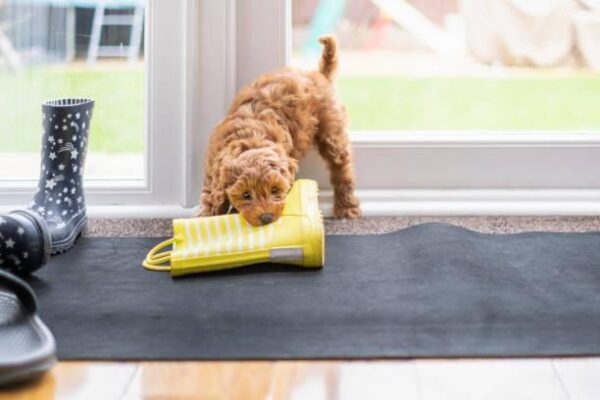
Hide any loose wires or toxic plants. Puppies explore the world with their mouths first. If it fits in their mouth, they will try to eat it. Put your favorite sneakers in a high closet. It saves a lot of heartbreak later.
Puppies need significant rest. Growth demands recovery. Overstimulated puppies often display unwanted behavior. Provide quiet downtime. Encourage naps. Maintain calm evening routines. Rested puppies learn better and behave more predictably.
A well-rounded dog is a social dog. Puppies need to see the world early on. Introduce them to new sounds, smells, and people.
Keep these meetings short and sweet. You want the pup to feel brave, not overwhelmed. Let them hear the vacuum or see a person in a big hat.
Early exposure prevents fear issues later in life. It builds a confident dog that can handle any situation.
Puppies need high-quality food to grow big and strong. They have different needs than adult dogs. Look for food specifically made for puppies. Feed small meals three or four times a day. This keeps their energy levels steady. It also helps with digestion.
Always keep fresh water available. Puppies can get dehydrated fast, especially in the heat. Watch their weight too. You should feel their ribs but not see them. Overfeeding can lead to joint problems as they grow.
Potty training often becomes the first major challenge for new dog owners. Accidents are normal during the early stages. Consistency and patience drive progress. Frequent outdoor trips, especially after meals and naps, help puppies build associations. Reward successful potty behavior immediately. Calm responses during mistakes prevent fear and confusion. Repetition builds understanding. Over time, routines create predictable habits. Patience leads to success. Frustration only slows the learning process.
Get on the vet’s schedule right away. Puppies need a series of shots to stay safe from nasty bugs. These visits also check for worms or other hidden issues.
Ask the vet about the best time for spaying or neutering. Every breed is a little different. Staying on top of health saves a ton of money on big bills later.
Those puppy teeth are like tiny needles. Teething is a painful time for the pup. They will chew on anything to soothe their sore gums. Provide lots of cold chew toys or frozen washcloths. If the pup nips your hand, let out a high-pitched “ow!” and stop playing. This teaches them that biting ends the fun. Never use your hands as toys. It teaches the dog that skin is for biting. Always redirect them to a proper toy. This habit saves your fingers once those adult teeth come in.
Q. How long does it take to potty train a puppy?
Most puppies take four to six months to be fully trained. Some might take up to a year. Success depends on a strict schedule, constant supervision, and tons of positive reinforcement for going in the right direction.
Q. How much sleep does a new puppy need?
Puppies are like babies and need a lot of rest. They usually sleep for 18 to 20 hours a day. Growing takes a huge amount of energy, so let them nap undisturbed in their safe zone.
Q. When can my puppy go to the dog park?
Wait until your puppy is fully vaccinated, usually around 16 weeks old. Dog parks can host germs that are dangerous for young pups. Check with your vet to make sure your dog has all the necessary protection first.
Q. What should I do if my puppy won’t stop crying at night?
Crying is normal as they adjust to a new home. Keep the crate near your bed so they feel close. Give them a safe chew toy or a heartbeat sheep toy to provide comfort and help them settle down.
Q. How often should I groom my puppy?
Start grooming early to get them used to the feeling. Brush their coat once a week and touch their paws often. This makes future trips to the groomer or vet much easier and less stressful for your furry friend.
Is your new puppy a bundle of energy you can’t quite handle? Do not stress out! At Vegas K9 Adventures, we love helping new owners find their groove. We provide a safe, fun, and loving space for your pup to learn and play. Whether you need a hand with socialization or a cozy place for them to stay, we have your back.
Start Your Puppy’s Best Life Today! Reach out to Vegas K9 Adventures to schedule a meet and greet! Call us at (702) 249-5616 or visit our website to see how we can help your pup grow into a superstar. Let’s make those puppy days unforgettable!
We love caring for pets! Schedule right here on our site for a meet and greet, or to make any pet services appointment.
Our Business Hours :