A dog does not slow down overnight. It happens step by step. Small changes show up in daily habits, movement, and energy. These signs are easy to miss at first, but they matter a lot for long-term health. Older dogs still enjoy life, but their needs shift. Exercise, food, and training style must change with age. A smart routine keeps them active without stress on joints or the heart. This is where dog behavior modification plays a key role. It helps adjust habits, energy levels, and responses so aging dogs stay comfortable and confident in daily life.
One of the first signs of aging is slower movement. A dog may take longer to stand up, walk, or respond during play. They may also avoid long walks or stop more often. This is not laziness. It is often joint stiffness or reduced stamina. Dogs that once loved long hikes may now prefer shorter routes. Stairs can feel harder. Even running with other dogs may look less exciting.
How to adjust exercise
Keep walks shorter but more frequent. This helps maintain movement without pressure. Avoid rough terrain when possible. Soft ground is easier on joints. Light stretching and slow-paced walking can help improve comfort. Swimming is also a great low-impact option for older dogs. A calm routine supports better energy balance without pushing too hard.
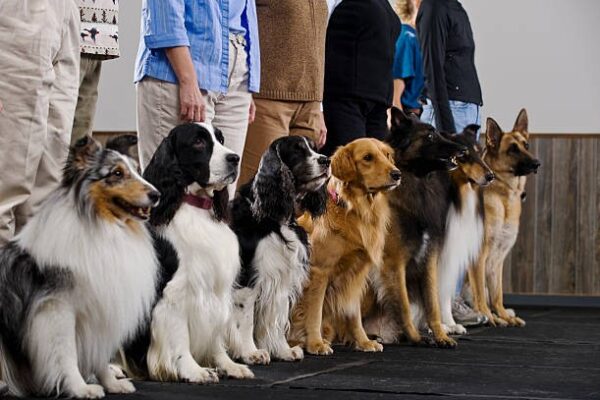
Older dogs often lose interest in intense games. Fetch, chasing, or long play sessions may not excite them like before. They may sit out more during group play or rest early during activities. This change is gradual, not sudden. This is where Dog socialization and pack training must be adjusted. Social time is still important, but intensity needs to match energy levels.
How to adjust exercise
Switch from high-energy play to calm interaction. Short group walks work better than rough play. Controlled social time helps reduce stress. Keep sessions short and positive. Let the dog choose when to rest. Do not force long play sessions. Mental stimulation can replace some physical play. Simple scent games or slow training drills keep the mind active.
Aging dogs often gain or lose weight easily. Reduced movement slows metabolism. At the same time, appetite may change. Stamina also drops. A dog may get tired faster during walks or training. This is a clear sign to adjust both diet and activity.
How to adjust exercise
Use steady but gentle exercise. Avoid sudden long hikes or intense activity.
Short walks with breaks work better. Keep a regular schedule so the body stays active without strain. Balanced movement supports joint health and prevents stiffness. This is also where balanced pack training for dogs helps maintain structure without overloading the body. A stable routine keeps energy predictable and manageable.
Older dogs may show stiffness after rest. They may take longer to get up or move slowly after sleep. Recovery after exercise also takes more time. A walk that once felt easy may now cause tiredness afterward. This is a common age-related change. It does not mean the dog should stop moving. It means movement should be smarter.
How to adjust exercise
Warm-up walks help a lot. Start slow before increasing the pace. Avoid sudden jumps or fast runs. Gentle stretching before activity can reduce stiffness. Short sessions spread through the day work better than one long session. Soft surfaces like grass are easier on joints than hard roads. Keep exercise smooth and controlled.
Aging does not only affect the body. It also affects behavior. Some dogs become quieter. Others may get confused or less responsive. They may forget commands or lose focus during training. This is normal with age. This is where dog behavior modification becomes very useful again. It helps reshape routines to match mental changes.
How to adjust exercise
Keep training simple. Use short commands and repeat often. Avoid complex drills. Short mental games help improve focus. Scent work and slow obedience tasks are great options. Do not overload the dog with too many instructions. Clear and calm communication works best.
|
Activity Type |
Best Approach |
|---|---|
| Walking |
Short, frequent, slow pace |
| Running |
Light and limited |
| Play |
Gentle, low impact games |
|
Training |
Short sessions, simple commands |
| Social time |
Calm group interaction |
| Mental work |
Scent games, easy puzzles |
Some owners reduce exercise too much when dogs get older. This can actually make things worse. Less movement can lead to stiffness, weight gain, and lower mood.
The goal is not to stop activity. The goal is to adjust it. Dogs still enjoy movement, fresh air, and social time. It just needs to match their energy level.
Programs focused on dog fitness and exploration help older dogs stay active in a safe and structured way. Even small daily activities make a big difference. Aging dogs benefit most from consistency. A steady routine keeps the body and mind stable.
Watch for these additional signals:
These signs show the need for lighter and smarter exercise planning.
A few small changes improve comfort:
These habits support both body and mind. Older dogs still enjoy life deeply. They just need more care and balance.
Aging is a natural part of life for every dog. It does not mean slowing down completely. It means changing the way exercise and care are done. With the right balance of movement, mental activity, and routine, older dogs stay active and happy. Small adjustments make a big difference in comfort and health.
Senior dogs deserve care that respects their pace and energy. Gentle structure, smart exercise, and calm social time help them enjoy life fully. Vegas K9 Adventures focuses on balanced activity, safe exploration, and structured care designed to support dogs at every stage of life, including their senior years.
Q. At what age does a dog start showing aging signs?
A. Most dogs start showing early aging signs between 7 and 10 years. Larger breeds may age faster. Changes appear slowly, such as reduced energy, slower movement, and less interest in intense play or long exercise sessions.
Q. Should I reduce my dog’s exercise as they get older?
A. Exercise should not stop, but it should change. Shorter, slower walks and gentle play work better. Movement keeps joints healthy and prevents stiffness. The goal is comfort, not intensity, especially for senior dogs.
Q. Can older dogs still be trained?
A. Yes, older dogs can still learn. Training should be simple and short. Repetition works better than long sessions. Mental stimulation helps keep the brain active and improves focus even in senior years.
Q. How does aging affect dog behavior?
A. Aging can make dogs slower, less playful, or more sensitive. Some may also become less responsive to commands. Adjusting routines through dog behavior modification helps them stay calm, confident, and comfortable.
Q. What is the best exercise for senior dogs?
A. The best exercise includes slow walks, gentle play, and light mental games. Activities should avoid stress on joints. Consistency matters more than intensity. Daily movement helps maintain health and mood.
We love caring for pets! Schedule right here on our site for a meet and greet, or to make any pet services appointment.
Our Business Hours :